


7 Ways to Manage Chlorine Allergies: Complete Guide
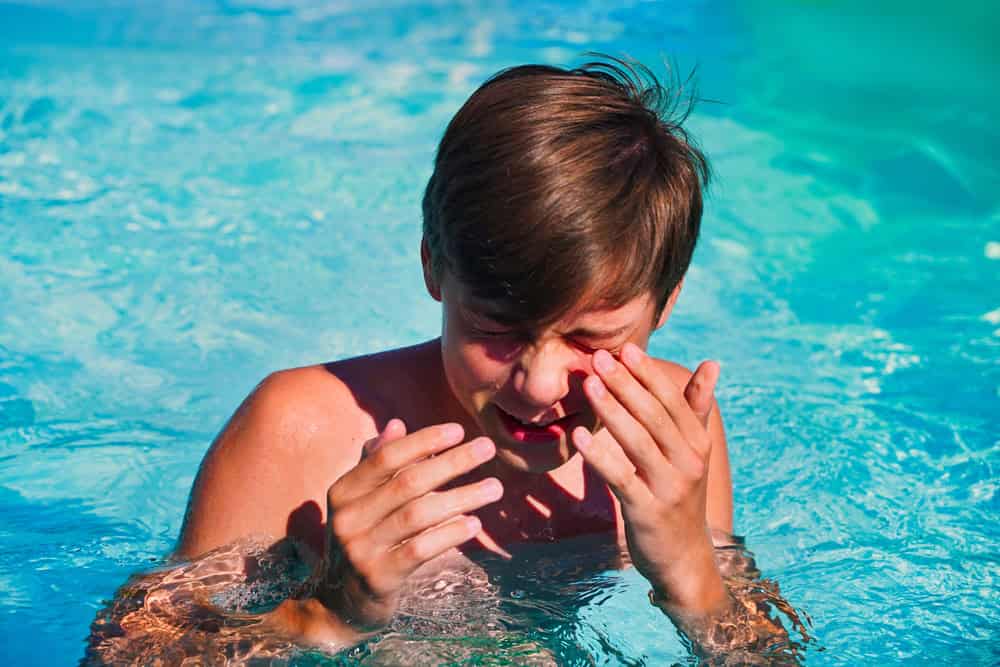
Does a refreshing dip in the pool leave your skin red, itchy, or irritated? You’re not alone. Many swimmers experience uncomfortable reactions to chlorinated water, commonly referred to as chlorine allergies or pool allergies. While these reactions can put a damper on your summer fun, understanding what causes them and how to manage the symptoms can help you get back in the water comfortably.
The good news? With the right preparation and aftercare routine, you can minimize discomfort and enjoy swimming without worry. Aqua Leisure Pools and Spas cover everything from pre-swim protective measures to post-swim recovery techniques, plus treatment options when irritation does occur.
Understanding Chlorine Sensitivities vs. True Allergies
First, it’s important to understand what’s actually happening when your skin reacts to pool water. Most people who experience symptoms after swimming don’t have a true chlorine allergy — they have a chemical sensitivity or irritation.
A true allergy involves your immune system producing antibodies against a substance, leading to symptoms like hives, difficulty breathing, or anaphylaxis. This is extremely rare with chlorine. What most swimmers experience is contact dermatitis, where chlorine strips away the skin’s natural oils and disrupts its protective barrier. This can cause redness, dryness, itching, and rashes.
The distinction matters because it changes how you approach treatment and prevention. Chemical sensitivities can often be managed with protective measures and proper skincare, while true allergies require medical intervention.
Pre-Swim Preparation: Creating a Protective Barrier
Taking a few minutes to prepare before entering the pool can significantly reduce chlorine’s impact on your skin.
1. Shower with Fresh Water
Start by thoroughly wetting your skin and hair with clean, fresh water before diving in. When your skin is already saturated with regular water, it absorbs less chlorinated pool water. Think of it like a sponge — a dry sponge soaks up everything it touches, but a wet sponge has less capacity to absorb additional liquid.
2. Apply Barrier Creams
Create a physical barrier between your skin and the pool water by applying a protective layer. Petroleum jelly, coconut oil, or specialized barrier creams work well for this purpose. Pay special attention to areas that tend to be more sensitive, such as the face, underarms, and any existing dry patches or eczema-prone zones.
These products create a water-resistant shield that prevents chlorine from directly contacting your skin, reducing irritation before it starts.
Essential Swimming Gear for Minimizing Exposure
The right equipment can dramatically reduce how much chlorinated water touches your skin, eyes, and hair.
3. Goggles
Protecting your eyes is crucial. Chlorine can cause redness, stinging, and irritation to the delicate tissues around your eyes. A well-fitting pair of goggles creates a watertight seal that keeps pool water out entirely.
4. Swim Caps
While swim caps won’t keep your hair completely dry, they do minimize exposure to chlorinated water. This is especially important for people who experience scalp irritation or hair damage from chlorine.
5. Rash Guards and UV-Protective Clothing
Consider wearing UV-protective swimwear or rash guards, which cover more of your body and create an additional barrier between your skin and the water. These garments are designed to be worn in water and dry quickly, making them practical for regular swimming.
Post-Swim Recovery: Immediate Action is Key
What you do immediately after swimming is just as important as your pre-swim routine.
6. Rinse Off Right Away
Don’t wait to shower. The longer chlorine sits on your skin, the more irritation it can cause. Rinse off with lukewarm water as soon as you exit the pool, using a gentle, fragrance-free cleanser to remove any residue.
For best results, use chlorine-removing body washes and shampoos specifically designed to neutralize chlorine. These products contain ingredients that break down chlorine compounds more effectively than regular soap.
7. Moisturize Immediately
After showering, apply a thick, hypoallergenic moisturizer while your skin is still slightly damp. This helps lock in moisture and repair your skin’s protective barrier. Look for fragrance-free products, as added fragrances can further irritate sensitive skin.
Keep Swimming Comfortably
Managing chlorine allergies and pool sensitivities doesn’t mean giving up swimming. With proper preparation, protective gear, and diligent post-swim care, most people can enjoy the water without discomfort. The key is being proactive — don’t wait for irritation to develop before taking action.
Remember that what happens behind the scenes matters too. A well-maintained pool with balanced chemistry causes significantly fewer problems than one with improper chlorine levels or contaminated water.
If you’re a pool owner struggling to maintain the right chemical balance, or if you’re tired of dealing with skin irritation after every swim, professional help makes all the difference. At Aqua Leisure Pools and Spas, we specialize in creating and maintaining pool environments that are safe, clean, and gentle on skin. Our expert team can assess your pool’s chemistry, identify potential irritants, and develop a maintenance plan that keeps your water crystal clear and comfortable for everyone.
Ready to enjoy your pool without the irritation? Contact Aqua Leisure Pools and Spas today for a comprehensive pool assessment and personalized maintenance solutions.
Posted by Aqua Leisure Pools & Spas in Pools