


How to Spot and Fix Common Pool Leaks: A Complete Guide
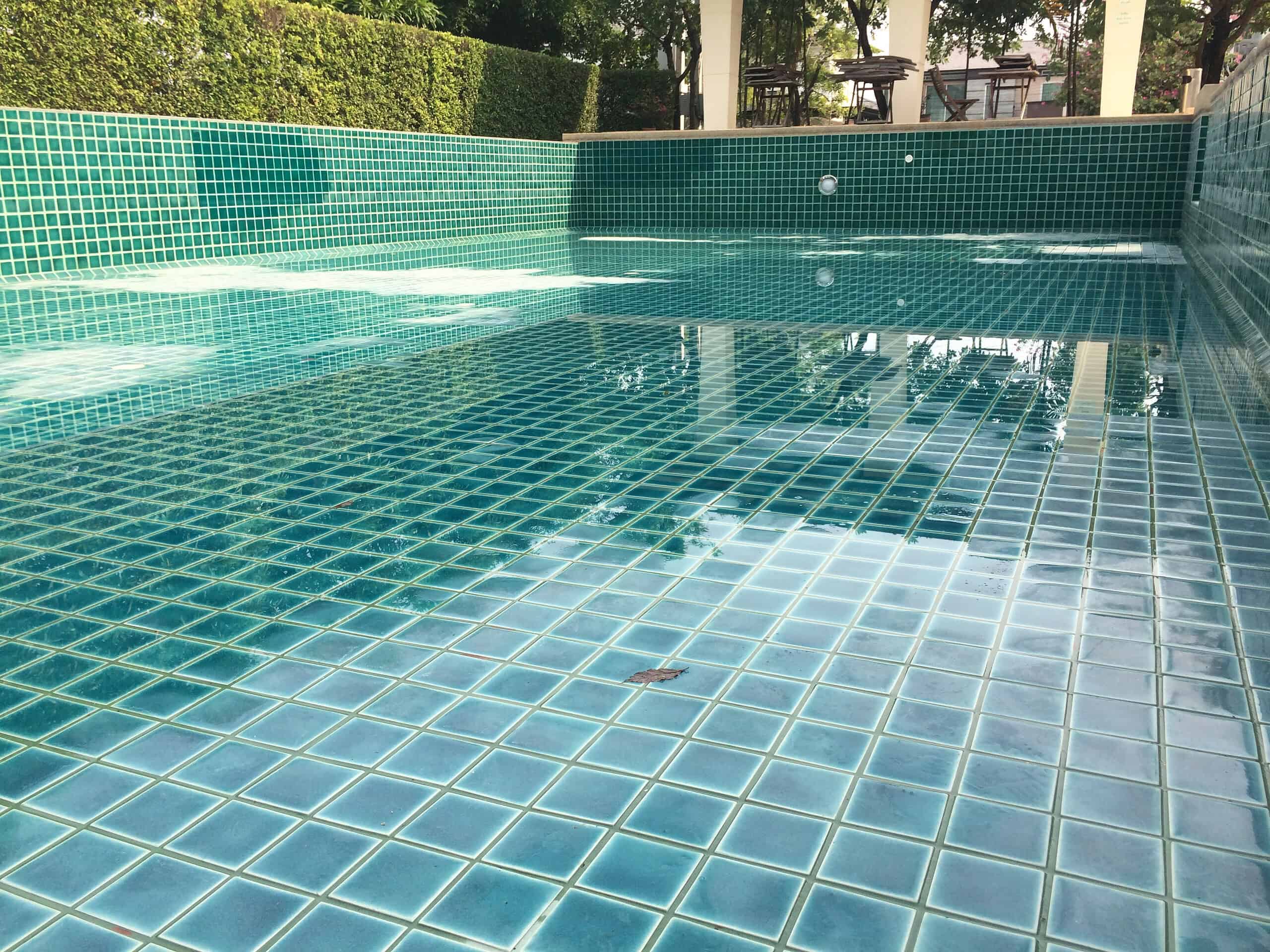
Is there anything better than a crystal-clear pool on a hot summer afternoon? Owning a swimming pool is one of the best ways to relax, entertain friends, and create lasting memories with your family right in your backyard.
However, keeping that backyard oasis in top shape requires a little vigilance. While regular skimming and chemical balancing are part of the routine, one issue often goes unnoticed until it becomes a bigger problem: a leak. A leaking pool isn’t just a nuisance; it can lead to significant water loss and expensive repairs if left unchecked.
The pool experts at Aqua Leisure Pools & Spas will walk you through everything you need to know to spot pool leaks with our guide.
DIY Leak Detection Methods
Before you panic, confirm whether you actually have a leak or are losing water to evaporation. Here are three effective methods to test your pool.
The Bucket Test
This is the gold standard for DIY leak detection. It helps you determine if water loss is due to a leak or natural evaporation.
- Fill: Place a plastic bucket on the second step of your pool. Fill it with pool water so the level inside the bucket matches the water level of the pool outside the bucket.
- Mark: Use a permanent marker or electrical tape to mark the water level inside the bucket and the pool level on the outside of the bucket.
- Wait: Leave it for 24 to 48 hours. Do not splash water into the bucket or top off the pool.
- Compare: If the water level in the pool has dropped significantly more than the water level in the bucket, you likely have a pool leak.
The Dye Test
Once you’ve confirmed a leak, the dye test can help you pinpoint the exact location.
- Turn Off Equipment: Ensure the pump is off so the water is still.
- Identify Suspects: Look for cracks in the shell, gaps around the skimmer, or tears in the liner.
- Apply Dye: Squirt a small amount of leak detection dye (or dark food coloring) near the suspected area.
- Observe: Watch the dye closely. If it remains a cloud, there is likely no leak. If the dye gets sucked into a crack or gap like smoke into a vacuum, you have found your leak.
Pressure Testing
This is a more advanced method used to check plumbing lines. It involves plugging the return lines and skimmers, then using a pressure rig to pressurize the pipes with air or water. If the pressure drops, there is a leak in the line. While handy homeowners can attempt this, it is often best left to professionals due to the equipment required.
How to Repair Common Pool Leaks
If you have identified the source of the problem, you might be able to fix it yourself. Here are some solutions for common issues.
Small Cracks in Concrete
For minor structural cracks, hydraulic cement or a waterproof epoxy sealant can work wonders.
- Clean the area thoroughly to remove algae and debris.
- Widen the crack slightly with a grinder (if using hydraulic cement) to give the material a better grip.
- Apply the sealant or cement according to the manufacturer’s instructions, smoothing it out to match the surface.
Vinyl Liner Patches
Don’t drain the pool to fix a liner tear! Most vinyl patch kits are designed to be applied underwater.
- Cut the patch into a circle (corners are more likely to peel).
- Apply the adhesive to the back of the patch.
- Fold the patch in half (glue side in) and dive down to the tear.
- Unfold and press it firmly over the tear, smoothing out any air bubbles from the center outward.
Tile and Grout Repair
If the leak is at the waterline tile, you may need to re-grout.
- Remove any loose grout or tile.
- Clean the area and dry it as much as possible (lowering the water level helps).
- Apply waterproof tile grout or a marine-grade epoxy to seal the area.
Equipment and Plumbing Fixes
For leaks at the equipment pad:
- Pump: If water is dripping from the bottom of the pump, you likely need to replace the shaft seal or O-rings.
- Fittings: Tighten any loose unions or hose clamps. If a PVC joint is leaking, you may need to cut out that section and glue in a new coupling.
Stop Leaking Money and Start Soaking in Memories
Pool leaks can be stressful, but with the right knowledge, they don’t have to ruin your summer. By performing regular checks and tackling small repairs early, you can protect your investment and keep the water where it belongs.
If you are ready to stop worrying about maintenance and start enjoying the backyard of your dreams, we are here to help. At Aqua Leisure Pools and Spas, we have over 60 years of experience helping families in Northeastern Pennsylvania create their perfect outdoor oasis.
Whether you need supplies to fix a leak, help finding the perfect inground fiberglass pool, or just advice on accessories, visit us in Wilkes-Barre, Dickson City/Scranton, or Tannersville, or contact us online. Let’s make sure your only concern this summer is which swimsuit to wear!
Posted by Aqua Leisure Pools & Spas in Pools