


Pennsylvania Private Pool Laws
Pennsylvania Private Pool Laws: What Homeowners Need to Know
Planning to install a pool in your Pennsylvania backyard? Understanding the state’s pool safety regulations is essential before you break ground. Pennsylvania has specific laws designed to protect children and ensure safe pool environments, and failing to comply can result in costly penalties or even the need to demolish your investment.
Whether you’re considering an in-ground pool, above-ground option, or hot tub, Aqua Leisure Pools & Spas covers everything Pennsylvania homeowners need to know about pool laws, safety requirements, and compliance procedures.
Key Requirements for Pennsylvania Pool Owners
Barriers and Fencing
Pennsylvania pool laws mandate strict barrier requirements to prevent unauthorized access and protect children from drowning accidents.
In-Ground Pools require a permanent, durable fence at least six feet high surrounding the entire pool area. This fence must be constructed without openings, mesh, or gaps large enough for a four-inch sphere to pass through.
Above-Ground Pools have varying requirements based on their height:
- Pools with sides less than four feet high must be made completely inaccessible when not in use
- If the pool’s sides are below 48 inches but the water level exceeds 18 inches, full barrier requirements apply
- The pool structure itself can serve as part of the barrier if it meets height and access requirements
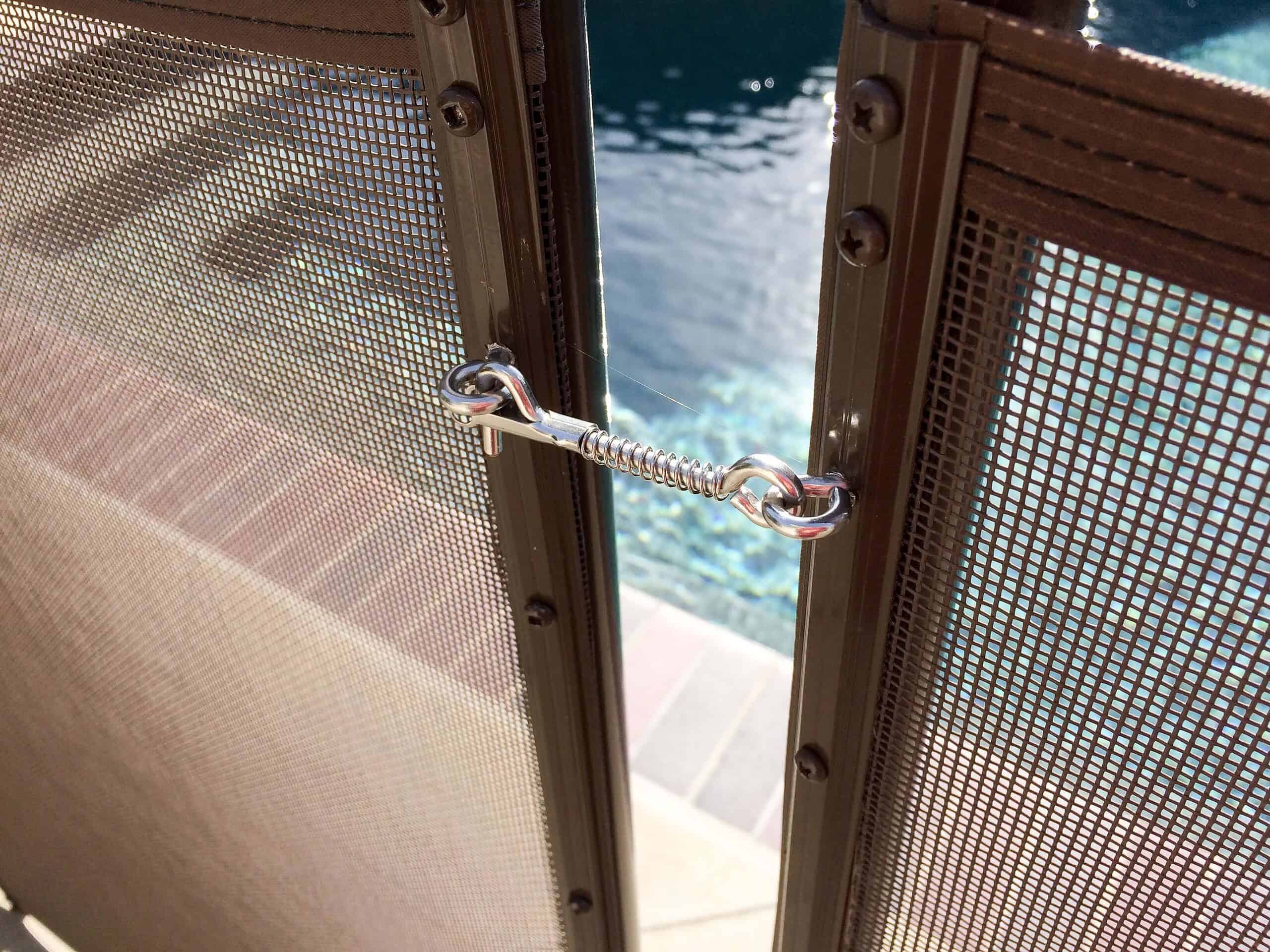
All gates must meet identical specifications as the fence and be equipped with approved self-latching mechanisms that automatically lock when released. These gates must remain locked whenever the pool is not actively supervised.
Local Zoning and Setback Requirements
Pennsylvania pool laws work in conjunction with local municipal regulations, which often impose additional restrictions on pool placement and installation.
Setback requirements vary significantly by township, but commonly include:
- Minimum distances from property lines (typically 5-10 feet)
- Required spacing from the main dwelling
- Restrictions on front yard installations
- Special considerations for corner lots or unusual property configurations
Some municipalities prohibit pools entirely in front yards, while others may allow them with special permits or design modifications.
Electrical Safety Regulations
Electrical safety represents a critical component of Pennsylvania pool safety regulations. All pool installations must comply with specific electrical standards:
- All pool water must be bonded to a #8 copper conductor using approved fittings
- Underground feeder (UF) cable is prohibited near pool water or chemical storage areas
- Proper grounding systems must be installed to prevent electrical hazards
- Licensed electricians should handle all electrical work to ensure code compliance
Specific Pool Types: Regulations and Requirements
In-Ground Pools
In-ground pools face the most comprehensive regulatory requirements under Pennsylvania pool laws. Beyond the six-foot fencing requirement, these installations typically require:
- Building permits from local authorities
- Professional inspections during construction phases
- Compliance with local zoning ordinances
- Proper drainage and water management systems
- Adherence to setback requirements specific to your municipality
Above-Ground Pools
Above-ground pools offer some flexibility in Pennsylvania pool safety regulations, but requirements depend on the pool’s dimensions and water depth.
Pools with sides four feet or higher may use the pool walls as part of the required barrier system, provided:
- Access ladders can be removed or locked when the pool is unattended
- The pool structure meets the four-inch sphere rule for gaps or openings
- Gates and access points include proper self-latching mechanisms
Smaller above-ground pools still require safety measures, but may have simplified compliance procedures.
Hot Tubs and Spas
Hot tubs and spas fall under Pennsylvania pool laws when they exceed certain capacity or depth thresholds. Most residential hot tubs require:
- Lockable safety covers when not in use
- Barrier requirements similar to pools if permanently installed
- Electrical safety compliance for all wiring and components
- Local permit requirements that vary by municipality
Planning Your Pool Installation Success
Remember that pool laws exist primarily to protect children and prevent drowning accidents. While compliance requirements may seem extensive, they create safer environments for families throughout Pennsylvania.
Our pool professionals at Aqua Leisure Pools & Spas are here to guide you through every step of the process. We’ll help you evaluate your specific needs, site conditions, and budget to help you stay within regulations with your pool or spa.
Ready to dive into your own fiberglass pool from Aqua Leisure Pools and Spas? Visit our Tannersville/Bartonsville, Dickson City, or Wilkes-Barre locations to speak with a pool professional, or contact us online to start your journey toward summer fun!
Posted by Aqua Leisure Pools & Spas in Pools