


Green Pool? Here’s How to Kill Algae Without Draining
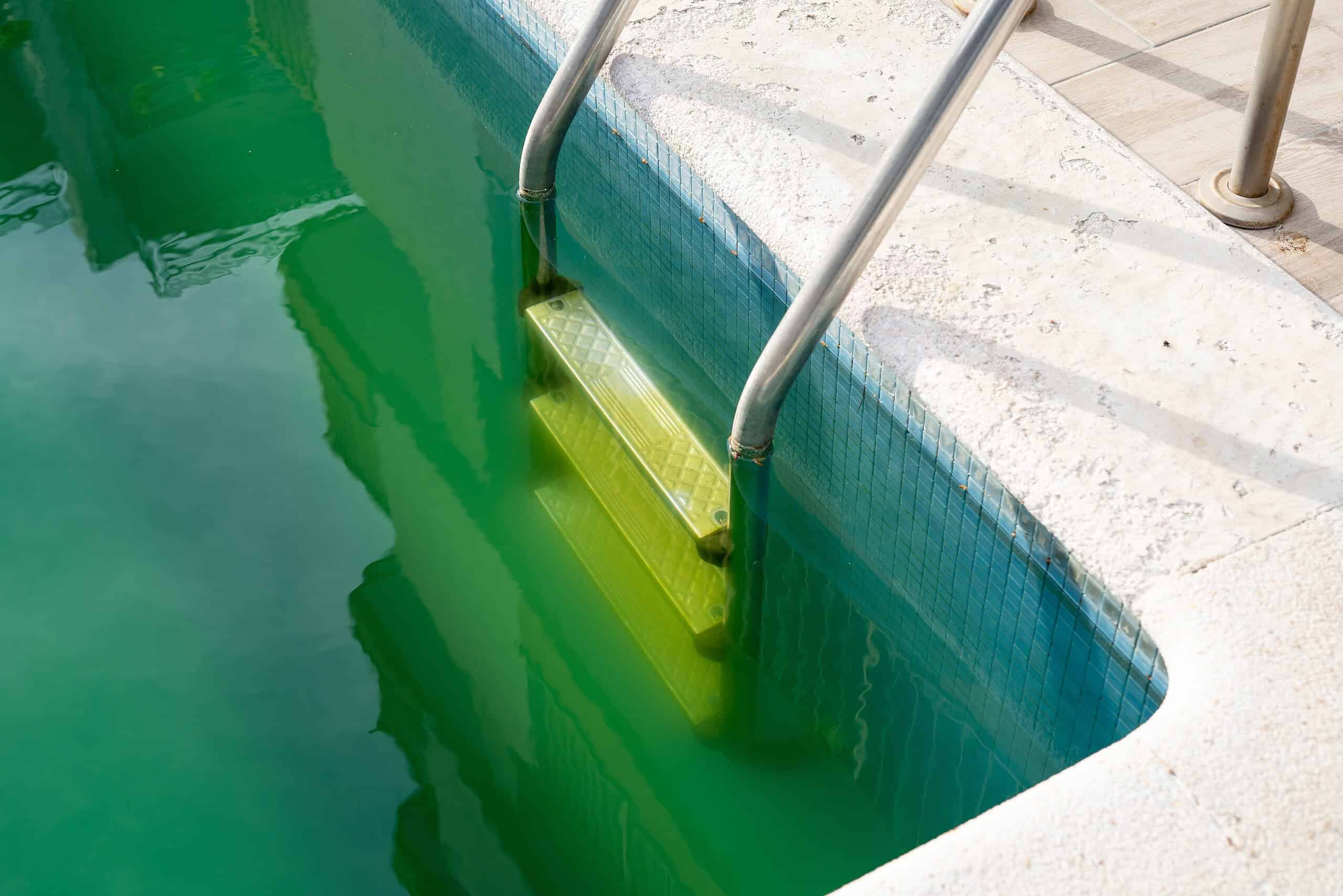
For homeowners in Northeast Pennsylvania (NEPA), opening the pool is the highlight of the summer season. But pulling back the cover to reveal a swampy, green mess can instantly ruin the mood.
Algae blooms are a common frustration in our region, often triggered by fluctuating temperatures, heavy rainstorms that dilute pool chemicals, or simply missing a few days of maintenance. When you see that green tint, your first instinct might be to panic. You might assume the water is too far gone and that the only solution is the expensive, time-consuming nightmare of draining the pool and scrubbing the shell.
Fortunately, that is rarely necessary. With the right combination of elbow grease, chemical precision, and patience, you can reclaim your crystal-clear water. Algae removal is a process, but it is one you can win.
Here is the comprehensive guide from Aqua Leisure Pools and Spas on removing algae from your pool without pulling the plug.
Know Your Enemy: Identifying Algae Types and Shock Levels
Not all algae blooms are created equal. The severity of the infestation dictates how aggressively you need to treat the water. In the pool industry, we determine the necessary “shock” level based on the color of the water and the type of algae present.
“Shocking” the pool refers to adding a high dose of chlorine (usually calcium hypochlorite) to raise the sanitizer level high enough to kill bacteria and organic matter.
- Light Green Water (Teal): This indicates an early-stage bloom. The algae has taken hold, but it hasn’t completely taken over.
- Prescription: Double Shock. You need to add two pounds of shock for every 10,000 gallons of water.
- Dark Green Water (Pea Soup): This is a significant infestation. The algae is reproducing rapidly and likely clinging to walls and floors. You cannot see the bottom of the pool.
- Prescription: Triple Shock. You need three pounds of shock for every 10,000 gallons of water.
- Black Algae or “Black Water”: This is the most difficult type of algae removal. Black algae has deep roots that dig into plaster and concrete, making it incredibly resistant to chemicals.
- Prescription: Quadruple Shock. You need four pounds of shock for every 10,000 gallons of water.
Preparation: The Work Before the Chemicals
Many pool owners make the mistake of dumping bags of shock into the water immediately. However, if the water chemistry isn’t balanced, or if the algae is protecting itself with a slimy coating, those chemicals won’t work effectively.
Step 1: Scrub Everything
Before you touch a chemical, grab a stiff pool brush. You need to physically scrub the walls, the floor, the steps, and even behind the ladder. Algae forms a protective layer that makes it difficult for chlorine to penetrate. Scrubbing breaks this layer and dislodges the algae into the water column, where the chemicals can attack it.
For plaster pools, use a wire-bristle brush. For vinyl liner pools, use a nylon brush to avoid tearing the liner.
Step 2: Balance the pH and Alkalinity
This step is critical. Chlorine is significantly less effective in water with a high pH. If your pH is too high, you could dump hundreds of dollars of shock into the pool with little result.
Use a test kit to check your levels. You want your pH to be between 7.2 and 7.4 and your alkalinity between 80 and 120 ppm. Adjust these levels using muriatic acid (to lower pH) or soda ash/baking soda (to raise it) before you begin the shocking process.
The Shocking Process
Once the algae is scrubbed loose and the water is balanced, it is time to kill the bloom.
Apply Calcium Hypochlorite
Based on the color of your water (light green, dark green, or black), calculate the amount of shock needed. Calcium hypochlorite (usually 70% available chlorine) is the industry standard for killing algae.
Crucial Tip: Always shock your pool at night or at dusk. The sun’s UV rays burn off chlorine very quickly. If you shock during the day, the sun might consume the sanitizer before it has a chance to kill the algae.
Run the Filter 24/7
Your filtration system is your best friend during algae removal. Turn your pump on and leave it on. You need to circulate the high-chlorine water throughout the entire pool to ensure no dead spots remain. Keep the filter running 24 hours a day until the water is completely clear.
The Cleanup: Removing Dead Algae
After shocking, you will notice a change. The water will shift from green to a cloudy blue or gray color. This is actually a good sign — it means the algae is dead. Now, you have to get it out of the pool.
Vacuum to Waste
Dead algae settles on the pool floor as a fine, gray dust or sediment. Do not use an automatic robotic cleaner for this, as the fine particles will often blow right through the mesh bag and back into the pool.
Instead, you must manually vacuum the pool. If you have a sand or DE filter with a multi-port valve, set the valve to “WASTE.” This bypasses the filter and sends the dirty water directly out of the backwash line. If you vacuum through the “FILTER” setting, the dead algae will likely clog your filter immediately or pass right back into the pool, clouding the water again.
Clean the Filter
Throughout this process, your filter is working overtime. Dead algae will clog pressure gauges rapidly.
- Sand Filters: Backwash efficiently and often.
- Cartridge Filters: Remove the cartridges and spray them down with a hose until clean.
- DE Filters: Backwash and recharge with fresh DE powder.
Final Steps to Crystal Clear Water
You are almost there. Once the bulk of the dead algae is vacuumed out, the water may still be slightly cloudy.
- Brush Daily: Keep scrubbing the walls every day to prevent new spores from taking hold.
- Use a Clarifier or Flocculant: If the water remains cloudy, a pool clarifier helps clump tiny particles together so the filter can catch them. A flocculant is stronger and will sink everything to the bottom, requiring another round of vacuuming to waste.
- Check Sanitizer Levels: Algae can return quickly if chlorine levels drop. Maintain a consistent chlorine level to prevent regrowth.
- No Covers: Avoid using a solar cover during this process. The cover traps heat (which algae loves) and prevents the water from breathing, which helps oxidize the organic matter.
Contact Aqua Leisure Pools & Spas For Help Getting Rid of Your Algae
Restoring a green pool takes time, effort, and a solid understanding of water chemistry. While the “drain and clean” method might seem tempting, it poses risks to your pool’s structure, especially with high groundwater tables. Following this chemical treatment plan is the safest, most effective way to get back to swimming.
However, we understand that fighting a green swamp isn’t how everyone wants to spend their weekend. If the process seems overwhelming or if the algae is stubbornly resisting your efforts, it might be time to call in the professionals.
Don’t waste your summer scrubbing and guessing. Contact Aqua Leisure Pools and Spas today. Our professional maintenance team can handle the heavy lifting, balance your chemicals, and get your pool sparkling clean so you can get back to enjoying the water.
Posted by Aqua Leisure Pools & Spas in Pools