


4 Types of Pool Leaks to Look Out For
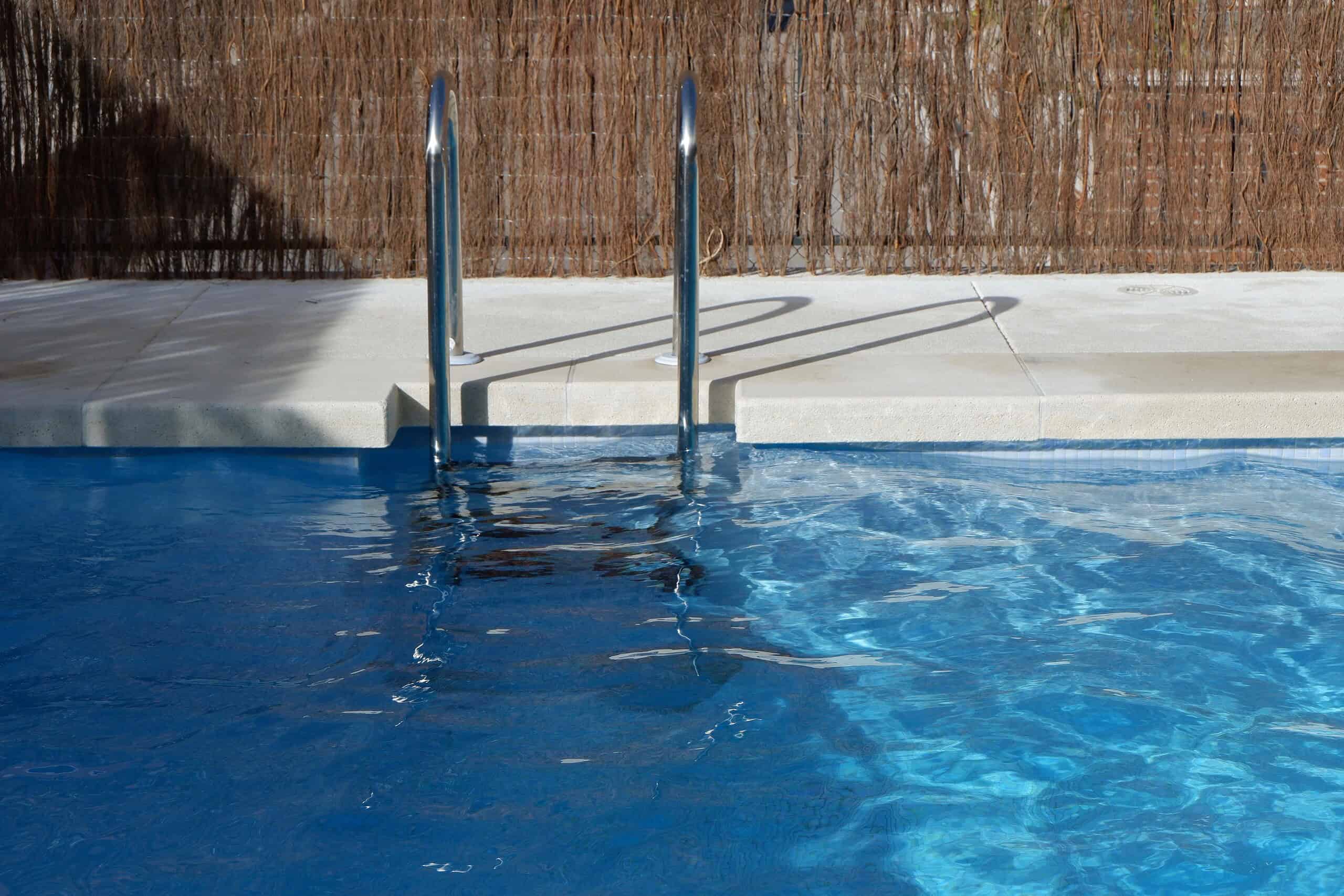
There are few things more frustrating for a pool owner than walking out to your backyard oasis only to find the water level has dropped significantly overnight. While some water loss is normal due to evaporation and splashing, a consistent drop usually points to a more serious issue. Discovering a leak can be stressful, but understanding what you are dealing with is the first step toward a solution.
Ignoring pool leaks can lead to skyrocketing water bills, chemical imbalances, and even severe structural damage to the surrounding area. Determining the source isn’t always straightforward, as leaks can originate from various parts of your pool’s complex system.
Aqua Leisure Pools & Spas will walk you through the different types of pool leaks, how to spot them, and when it’s time to call in the professionals.
Your Partners in Pool Care: Aqua Leisure Pools & Spas
At Aqua Leisure Pools & Spas, we understand that a swimming pool is a significant investment in your home and your happiness. We have dedicated our business to ensuring your pool remains a source of joy rather than a maintenance headache.
Our team focuses on comprehensive pool care, from routine maintenance to complex repairs. When it comes to leak detection, we utilize advanced technology and years of experience to pinpoint issues quickly and accurately, saving you time, money, and stress.
Understanding the Different Types of Pool Leaks
To effectively address a leak, you first need to categorize it. Generally, leaks fall into specific categories based on where they occur within the pool’s architecture or operating system. Here is a breakdown of the most common issues we encounter.
1. Structural Leaks
Structural leaks are among the most concerning because they affect the physical shell of the pool. These leaks can lead to significant water loss and, if left untreated, can compromise the integrity of the entire pool structure.
- Shell Cracks: In concrete or gunite pools, ground movement, settling soil, or poor initial construction can cause cracks to form in the shell. While hairline cracks are often cosmetic, larger structural cracks allow water to escape into the surrounding ground.
- Gasket and Seal Failures: Your pool has various penetrations for lights, skimmers, main drains, and return jets. Each of these spots relies on gaskets and seals to keep water in. Over time, harsh chemicals and age can degrade these seals, creating a pathway for water to exit.
- Light Conduits: A common but often overlooked structural leak occurs where the electrical wires for your pool lights enter the light niche. If the conduit isn’t properly sealed, water can travel through it and drain out of the pool.
2. Plumbing Leaks
While structural leaks are often visible, plumbing leaks are frequently hidden underground, making them harder to detect without professional equipment. These leaks occur within the circulation system that moves water to and from the pool.
- Underground Pipe Breaks: The PVC pipes running beneath your pool deck or yard can shift, crack, or break due to tree root intrusion or ground settling.
- Suction vs. Pressure Side: Leaks can happen on the suction side (pipes bringing water from the pool to the pump) or the pressure side (pipes pushing water from the filter back to the pool). A suction side leak often pulls air into the system, causing bubbles in the pump basket or return jets. A pressure side leak will result in water spraying out underground, often leading to wet spots in your yard.
3. Equipment Leaks
The equipment pad is the heart of your pool’s circulation, and it is a frequent source of pool leaks. Fortunately, these are often the easiest to identify because you will see puddles or spraying water around your mechanical components.
- Pump Seals: The mechanical seal on your pool pump prevents water from reaching the motor. When this wears out, you will often see water dripping underneath the pump.
- Filter Issues: Filters can leak from the belly band clamp, the air relief valve, or cracks in the tank body itself.
- Heater Leaks: Pool heaters can develop leaks in their heat exchangers or connection points due to chemical corrosion or winter freeze damage.
4. Vinyl Liner Leaks
For those with vinyl liner pools, the liner itself is the waterproof barrier. While durable, vinyl is susceptible to damage that concrete pools are not.
- Tears and Punctures: Sharp objects, dog claws, or even robotic cleaners can accidentally puncture the liner.
- Separation: As liners age, they lose elasticity. This can cause the liner to pull away from the track at the top of the pool (the coping), creating a gap where water can splash out.
- Seams: Over many years, the seams where pieces of the liner are fused together can begin to separate, creating a silent leak that is difficult to spot visually.
How to Detect Pool Leaks
Before calling a professional, there are a few checks you can perform to confirm you have a leak and not just high evaporation.
While the bucket test can confirm the existence of a leak, locating the exact source is a different challenge. Simple equipment leaks, like a dripping pump union or a loose filter clamp, can often be fixed by a handy homeowner. However, structural and underground plumbing leaks require a different approach.
Professional leak detection services use specialized listening devices, pressure testing equipment, and cameras to locate leaks that are invisible to the naked eye. Attempting to dig up pipes or patch structural cracks without the proper knowledge can lead to further damage and more expensive repairs down the line. If you cannot spot the leak at the equipment pad, it is generally time to call in the experts.
The Benefits of Hiring Aqua Leisure Pools & Spas
When you suspect one of the various types of pool leaks is plaguing your backyard, Aqua Leisure Pools & Spas is ready to help. Hiring a professional service offers several distinct advantages:
- Precision: We don’t guess; we know. Our advanced diagnostic tools allow us to pinpoint the leak to within inches, minimizing the invasiveness of the repair.
- Comprehensive Repair: Detecting the leak is only half the battle. Our team is equipped to repair plumbing, patch liners, and fix structural issues, providing a start-to-finish solution.
- Cost Savings: A small leak can waste thousands of gallons of water a month. By fixing the issue promptly and correctly, you save on water bills and chemicals.
- Peace of Mind: Knowing your pool is water-tight and functioning correctly allows you to get back to what matters most — enjoying the water with your family and friends.
Don’t Let a Leak Drain Your Fun
A swimming pool should be a source of relaxation, not a source of worry. Understanding the potential types of pool leaks — from structural cracks to plumbing failures — empowers you to take action early. Whether it’s a simple equipment fix or a complex underground repair, addressing the issue promptly is key to preserving your pool’s longevity.
If you suspect your pool is losing water, don’t wait for the problem to worsen. Contact Aqua Leisure Pools & Spas today to schedule a professional leak detection service. Let us handle the hard work so you can get back to swimming.
Posted by Aqua Leisure Pools & Spas in Pools