


Why Is My Pool Losing Water? Causes & Solutions
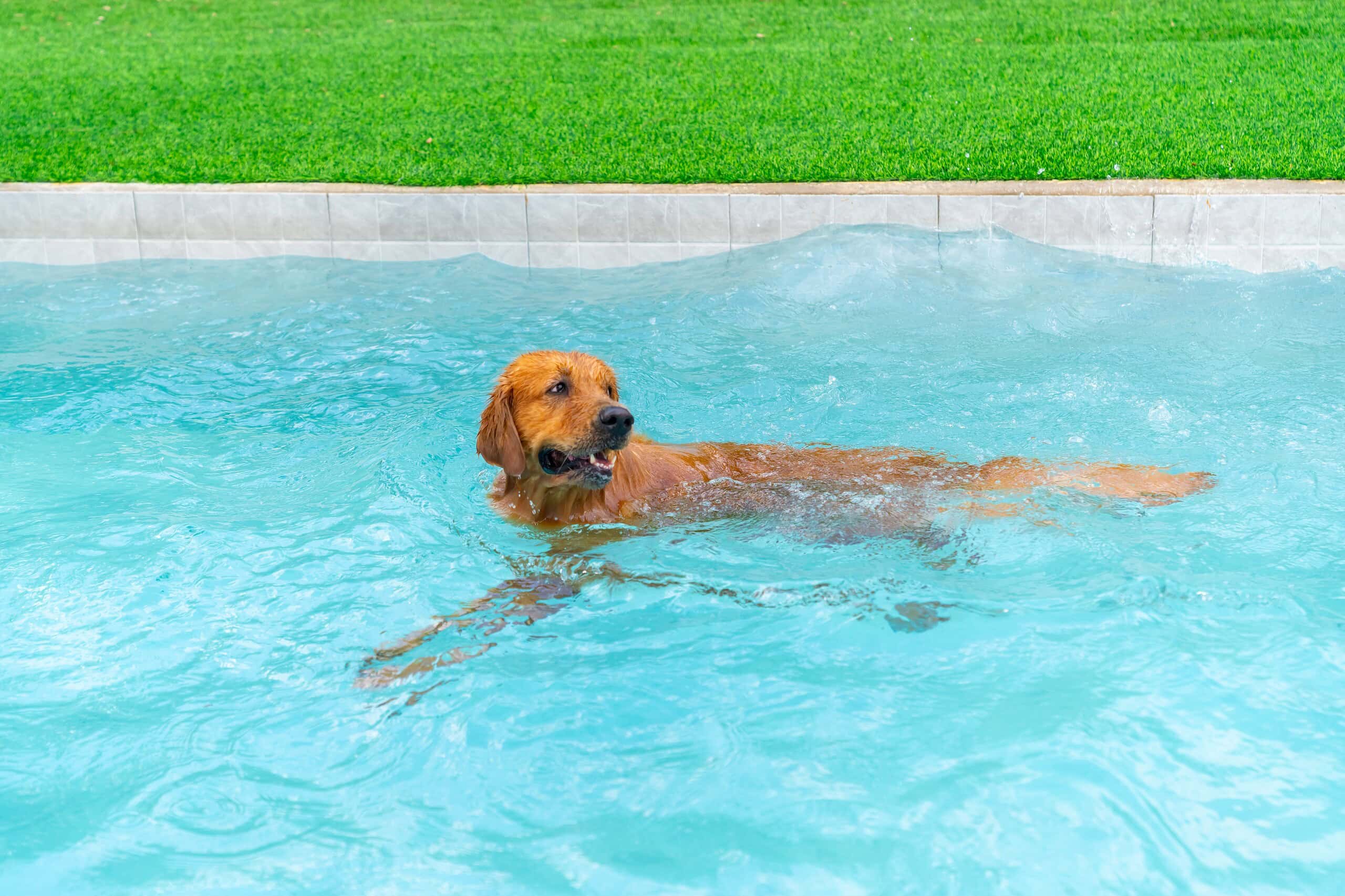
You walk out to your backyard oasis, ready for a swim, only to notice the water line is significantly lower than it was a few days ago. Panic sets in. You immediately start calculating the cost of repairs and the hassle of finding a leak. But before you worry, take a deep breath. At Aqua Leisure Pools and Spas, we know that seeing your water level drop can be alarming, but it doesn’t always signal a disaster.
All pools lose water. It is a natural part of owning a swimming pool. However, distinguishing between normal environmental factors and a structural or mechanical issue is the key to maintaining your pool’s health (and your wallet’s).
If you find yourself constantly topping off your pool with the garden hose, it is time to investigate. Our guide will walk you through why you might be losing pool water, how to test for leaks, and the best solutions to keep your pool full and ready for fun.
Is It Evaporation or a Leak?
The most common reason for lost pool water isn’t a crack in the foundation or a broken pipe — it is simply nature at work. Evaporation affects every pool, regardless of how well it is built.
Normal Evaporation Rates
On average, a swimming pool can lose about 1/4 inch of water per day. That adds up to roughly 2 inches per week. While this might look like a lot of water when you are staring at the skimmer line, it is generally considered within the normal range.
Several environmental factors dictate how fast this happens:
- Temperature: High heat increases the energy in the water molecules, causing them to turn into vapor faster.
- Humidity: In dry climates, the air acts like a sponge, soaking up moisture from your pool. Conversely, high humidity slows evaporation down.
- Wind: This is often the biggest culprit. Strong breezes ripple the surface of the water, increasing the surface area and accelerating evaporation.
The Role of Pool Heaters
If you enjoy a heated pool, you might notice faster water loss. The temperature difference between the warm water and the cooler air creates a perfect environment for evaporation. If you run your heater constantly without a cover, you will see a significant drop in water levels compared to an unheated pool.
How to Identify a Pool Leak
If you suspect you are losing pool water at a rate faster than 1/4 inch per day, you need to confirm if there is a leak before calling in the heavy machinery. The most reliable method for homeowners is the “Bucket Test.” It is a simple, low-tech way to compare your pool’s water loss against standard evaporation.
The Bucket Test
- Fill the Bucket: Take a standard 5-gallon plastic bucket and fill it about two-thirds of the way with pool water.
- Position the Bucket: Place the bucket on the second step of your pool steps. Ensure the bucket is immersed in the pool water at least a few inches to keep the temperature inside the bucket similar to the pool temperature.
- Mark the Levels: Use a piece of electrical tape or a permanent marker to mark the water level inside the bucket. Then, mark the water level of the pool on the outside of the bucket.
- Wait: Turn off your pump and auto-fill features. Let the bucket sit for 24 hours.
- Compare: After 24 hours, check the marks. If the pool water (outside mark) has dropped more than the water inside the bucket, you likely have a leak. If both levels dropped the same amount, your lost pool water is just due to evaporation.
Other Signs of a Leak
Beyond the bucket test, keep an eye out for these physical signs:
- Mushy spots in the yard: If the ground around your pool equipment or underground plumbing is constantly wet or boggy, a pipe may have burst.
- Air in the system: If you see air bubbles shooting out of your return jets or notice the pump won’t prime, air is getting into the system through a leak on the suction side.
- Cracks: Visible spiderweb cracks in the shell or concrete deck are obvious red flags.
Common Causes of Pool Leaks
Once you have determined you have a leak, the next step is locating it. Leaks generally originate from three main areas: the structure, the plumbing, or the accessories.
1. Pool Shell Issues
The vessel itself can be the source of the problem.
- Concrete Pools: Structural cracks can form due to ground shifting or settling. These fissures allow water to escape into the surrounding soil.
- Vinyl Liners: Tears or small punctures from sharp objects (like toenails, dog claws, or pool toys) are common.
- Light Fixtures: The conduit behind your underwater lights is a frequent leak location. If the seal degrades or the niche cracks, water drains out quickly.
2. Plumbing and Equipment
Your pool’s circulation system is complex, and vibration or age can cause components to fail.
- The Pump and Filter: Check the equipment pad. A small drip from a pump seal or a crack in the filter tank can waste hundreds of gallons over a week.
- Underground Pipes: Tree roots or shifting soil can crack PVC pipes underground. This is often the hardest leak to detect without professional equipment.
3. Skimmer Leaks
The skimmer is where the pool water enters the filtration system. Because the skimmer is a separate piece of plastic embedded in the pool wall (or attached to the liner), the seal between the two can fail. If you notice the water level consistently drops to the bottom of the skimmer opening and then stops, the leak is likely right there at the skimmer throat.
4. High Usage (Splash-out)
Sometimes, the problem isn’t mechanical at all. If you have active kids, pets, or have hosted a pool party recently, a significant amount of water was likely splashed out. Cannonballs and vigorous swimming can result in inches of water loss in a single afternoon.
Solutions and Prevention
Fixing a leak or managing evaporation saves you money on water bills and chemicals. Here is how you can tackle the problem.
Combating Evaporation
The single most effective tool against evaporation is a solar pool cover. By covering the water surface when the pool isn’t in use, you block the wind and trap the moisture. This can reduce evaporation by up to 95%. It also helps retain heat, lowering your energy costs. Additionally, try to limit the use of waterfalls or fountains on windy days, as aerating the water increases evaporation rates.
Repairing Structural Leaks
- Vinyl Patching: If you find a small tear in a vinyl liner, you can often fix it yourself with an underwater patch kit.
- Epoxy and Sealants: For minor cracks in concrete or leaks around skimmers and light fixtures, specialized pool putty or marine-grade epoxy can create a watertight seal.
Equipment Maintenance
Regularly inspect your equipment pad. If you see moisture under the pump, you may need to replace the mechanical seal or a simple O-ring. Tighten any loose unions on your pipes. If a PVC pipe is cracked, it will need to be cut out and replaced.
Keep Your Pool Water Level Healthy
Maintaining the correct water level is vital for your pool’s operation. If the water drops too low, your skimmer will suck in air, which can overheat and ruin your pool pump.
Whether you are dealing with simple evaporation or a tricky leak, knowing the signs helps you react quickly. Start with a bucket test, check your equipment, and use a cover to keep your water where it belongs.
If you have performed the tests and still can’t find the source of the leak, or if the repair seems too complex to handle on your own, do not wait. A small leak can turn into a major structural issue if left unresolved.
Are you tired of constantly refilling your pool? Contact Aqua Leisure Pools and Spas today. Our experts can help you identify the problem and get your pool back in perfect swimming condition.
Posted by Aqua Leisure Pools & Spas in Pools