


Automatic Swimming Pool Cleaner Guide: Let the Robots Do the Work
Why an Automatic Swimming Pool Cleaner Changes Everything
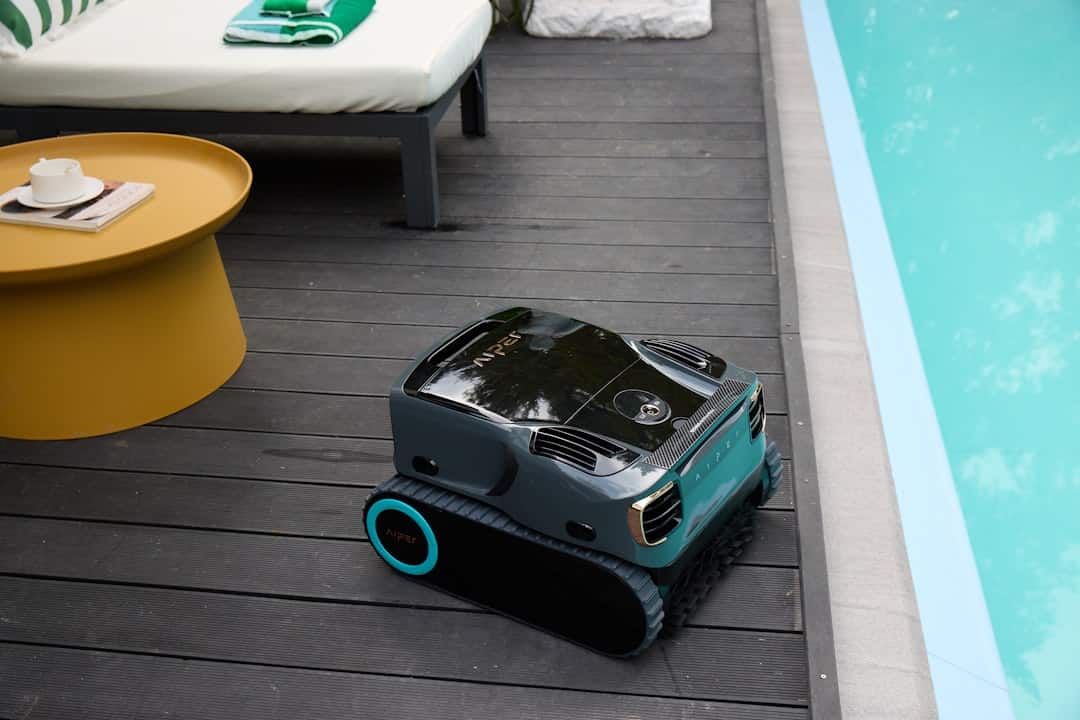
An automatic swimming pool cleaner takes the manual labor out of pool maintenance, giving you more time to actually enjoy your backyard oasis. These devices fall into three main categories, each with distinct advantages:
Quick Comparison: Automatic Pool Cleaner Types
| Type | How It Works | Best For | Key Advantage |
|---|---|---|---|
| Robotic | Independent operation with onboard filtration | Hands-off cleaning with smart navigation | Most energy-efficient; no extra pump needed |
| Suction-Side | Connects to existing pool pump and skimmer | Budget-conscious homeowners | Lowest upfront cost |
| Pressure-Side | Uses return jets or booster pump | Pools with heavy debris | Doesn’t burden main filter system |
If you’ve ever spent a beautiful Saturday morning scrubbing your pool floor instead of swimming in it, you understand the frustration. Research shows that robotic cleaners can reduce energy consumption by up to 90% compared to traditional methods, while delivering superior cleaning coverage of floors, walls, and waterlines.
The right automatic cleaner transforms pool ownership from a weekly chore into a truly relaxing experience. Instead of manually vacuuming every corner and hauling heavy equipment, you simply drop your robotic assistant into the water and let it work.
Modern automatic cleaners offer features like smart navigation systems, top-load filter baskets, and even smartphone app control. Some models complete full cleaning cycles in as little as 90 minutes, while others can run continuously at low speeds for 24-hour maintenance.
Whether you have an inground concrete pool or an above-ground vinyl liner setup, there’s an automatic cleaner designed for your specific needs. The investment pays for itself through reduced chemical usage, lower energy bills, and countless hours of saved labor.
Choosing the Right automatic swimming pool cleaner for Your Oasis
Selecting the perfect automatic swimming pool cleaner is a bit like choosing a new car; you want something that handles the terrain of your backyard and fits your lifestyle. In Pennsylvania, where the swimming season is short but intense, efficiency is everything. Whether you are in Doylestown or Scranton, your pool’s specific characteristics—shape, surface, and surrounding environment—will dictate which “robot friend” is best for you.
When evaluating your options, consider the following factors:
- Pool Shape and Size: Rectangular pools are easy for most cleaners, but if you have a kidney-shaped or freeform pool, you’ll want a cleaner with smart navigation or a gyroscope to ensure it doesn’t get stuck in corners.
- Surface Material: Is your pool vinyl, concrete, fiberglass, or tile? Some cleaners use specialized brushes, like PVA brushes for tile, to ensure they can grip the walls effectively.
- Debris Type: Do you deal with fine silt and sand, or are you constantly fishing out large oak leaves and twigs? Robotic cleaners often feature interchangeable filters for different debris sizes.
To get a better handle on the basics of pool care before diving into equipment, check out everything you need to know to keep your pool clean. Having the right pool cleaning tools every owner needs ensures that even when the robot is off-duty, your water stays pristine.
Robotic vs. Suction and Pressure-Side automatic swimming pool cleaner Models
Understanding the mechanical differences between these three types is crucial for making a smart investment.
Robotic Cleaners are the undisputed champions of modern pool care. They operate independently of your pool’s main circulation system. This means they don’t require your pool pump to be running to work. They plug into a standard outlet (transformed to low voltage) and use onboard motors to move and suck up debris into an internal filter bag or basket. High-end models like the SharkVac XL Automatic Robotic Pool Cleaner (Open Line) can scrub the floor, walls, and even the waterline in just a few hours.
Suction-Side Cleaners are the most budget-friendly. They hook into your pool’s skimmer or a dedicated suction line. As the pool pump pulls water, the cleaner moves around the floor. While affordable, they rely on your pool’s filter to catch the gunk, which means you’ll be backwashing your main filter more often. Using these incorrectly is one of the pool maintenance mistakes you should avoid if you want to prevent unnecessary wear on your pump.
Pressure-Side Cleaners use the water returning to your pool to power their movement. They often require a “booster pump” to provide enough pressure. The big benefit here is that they have their own debris bag, so they don’t clog up your pool filter, making them great for pools in wooded areas of Tannersville or Beach Lake where leaves are a constant battle.
Key Features of an automatic swimming pool cleaner
Modern technology has turned the humble pool vacuum into a high-tech gadget. When shopping for an automatic swimming pool cleaner, look for these advanced features:
- Wall Climbing and Waterline Scrubbing: Not all cleaners can go vertical. Premium robotic models use high-traction wheels or tracks to climb all the way to the tile line, scrubbing away the “bathtub ring” of oils and algae.
- Smart Navigation: Instead of bouncing around randomly, smart cleaners use algorithms (like Maytronics’ CleverClean™) to map your pool and ensure 100% coverage.
- Weekly Timers and App Control: Imagine being at work in Wilkes-Barre and realizing guests are coming over later. With Wi-Fi-enabled cleaners, you can start a cleaning cycle from your phone.
- Sensors: Advanced models feature “out-of-water” or “beach-entry” sensors. These prevent the robot from driving itself out of a zero-entry pool and burning out its motor.
For those who like to know the nuts and bolts of their equipment, reviewing the User manual Documentation for your specific model can help you unlock these high-tech features.
Corded vs. Cordless Robotic Technology
The latest debate in the pool world is corded versus cordless.
Corded robotic cleaners are the traditional choice. They offer unlimited runtime because they are plugged into a power source. To prevent the “spaghetti mess” of tangled lines, look for models with a tangle-free swivel. This allows the robot to rotate freely without knotting the cable.
Cordless robotic cleaners, like the AIPER Seagull or certain Dolphin Liberty models, are gaining massive popularity. They run on rechargeable lithium-ion batteries, offering between 90 to 180 minutes of cleaning time.
- Pros: No cables to trip over, perfect for pools with islands or complex shapes, and extremely portable.
- Cons: You have to remember to charge them, and they may not complete a massive commercial-sized pool in one go.
Best Cleaners for Inground and Above-Ground Pools
The structure of your pool matters. Inground pools often have deep ends, varying slopes, and complex features like stairs and tanning ledges. Cleaners for in-ground pools need powerful motors and advanced climbing abilities to handle the depth changes.
Above-ground pools usually have flat bottoms and vinyl liners. Cleaners for above-ground pools are often more compact and lightweight. Since vinyl liners can be delicate, these cleaners use specialized brushes that provide a deep clean without being abrasive. Because above-ground pools often use smaller filtration systems, a robotic cleaner is a huge benefit because it provides its own filtration, taking the stress off the pool’s pump.
Maintaining Your Automatic Cleaner and Pool Health
An automatic swimming pool cleaner is an investment in your home and your health. By keeping the floor and walls free of organic debris, these machines prevent algae blooms and reduce the amount of chlorine needed to keep the water safe.
Proper maintenance of the cleaner itself is simple but vital. After each cycle, you should:
- Empty the Filter: Whether it’s a bag or a basket, don’t let debris sit and rot inside the cleaner.
- Rinse with Fresh Water: Chlorine and salt can be hard on plastic and rubber parts over time. A quick spray with a garden hose keeps the “joints” of your robot moving smoothly.
- Check the Brushes: Ensure no hair or string is wrapped around the rollers, as this can strain the motor.
Regularly maintaining your cleaner helps achieve what the CDC calls ‘healthy swimming’ by ensuring the water is properly circulated and filtered. For a deeper dive into your pool’s overall health, learn how to maintain your pool’s filtration system to keep everything running in harmony.
Energy Efficiency and Operating Cost Savings
One of the most compelling reasons to switch to a robotic automatic swimming pool cleaner is the impact on your wallet. Traditional suction cleaners require your main pool pump to run at high speeds to create suction. In Pennsylvania, where energy costs can be high, this adds up quickly.
Robotic cleaners, however, use very little electricity—often about the same as a standard light bulb. Furthermore, when paired with ENERGY STAR® Variable-speed (VS) pumps, your entire pool system becomes an eco-friendly powerhouse. Variable-speed pumps meet the latest Department of Energy’s conservation standards by allowing you to run your circulation at low, energy-saving speeds while the robot handles the heavy-duty scrubbing independently.
Another hidden saving? Reduced backwashing. Because robotic cleaners have their own filters, they catch the dirt before it ever reaches your main pool filter. This saves thousands of gallons of chemically treated water every season.
Filter Maintenance and System Longevity
To keep your pool sparkling like a diamond, you need to understand the relationship between your cleaner and your filter. Most high-end robotic cleaners feature top-access baskets. This is a game-changer; you don’t have to flip the robot over to clean it. You simply pop the lid, lift the basket, and rinse.
These baskets often come with fine porosity filters that can trap particles as small as 150 microns—including sand, silt, and even some algae. At Aqua Leisure Pools and Spas, we recommend rinsing these elements after every use to maintain maximum suction power.
If you’re ever feeling overwhelmed by the technical side of things, our pool school is a fantastic resource for homeowners in the Dickson City and Doylestown areas. We provide a swimming pool filtration systems guide to help you understand how your robot and your main filter work together to create the perfect swim environment.
Whether you are looking for a new installation or need help maintaining your current setup in the Poconos or the Scranton area, Aqua Leisure Pools and Spas is your local expert. We are dedicated to helping you spend less time cleaning and more time making memories in your dream backyard oasis. Let the robots do the work—you’ve earned the break!
Posted by chris@enx2marketing.com in Pools