


Pool Rope Terms Demystified
What Is a Pool Rope — and Why Does Every Pool Need One?
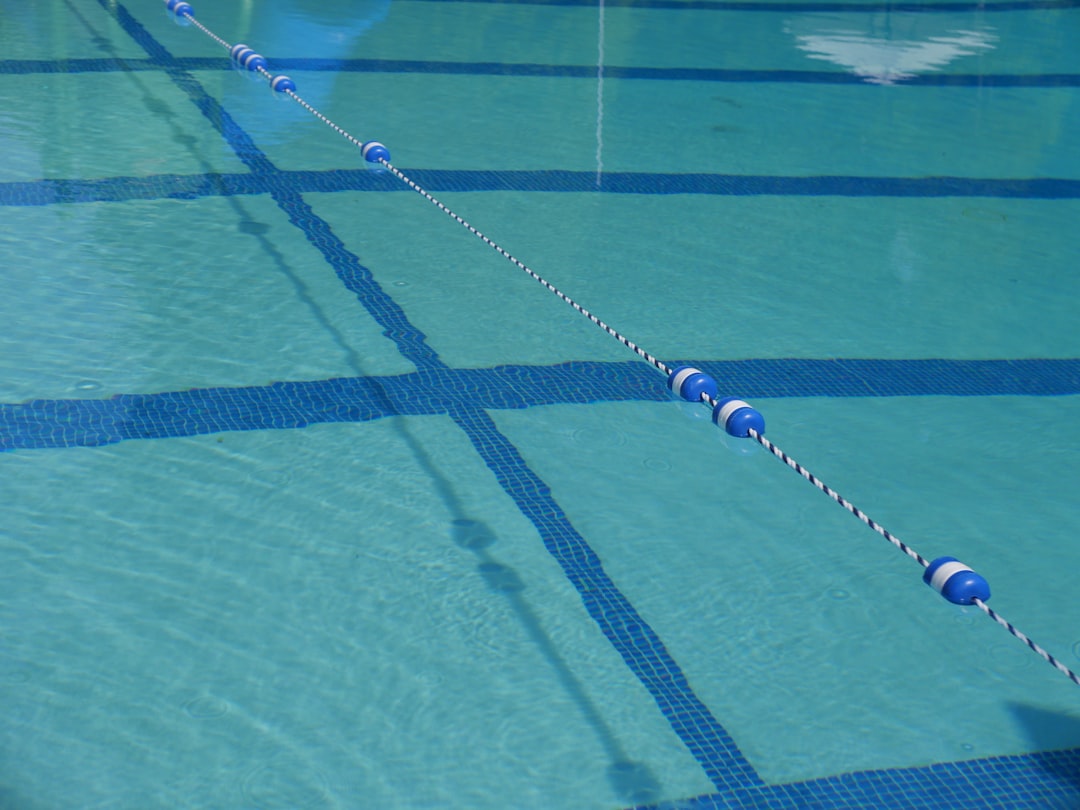
A pool rope is a safety line stretched across the width of a swimming pool to separate the shallow end from the deep end. Here’s a quick overview of what you need to know:
- Purpose: Creates a visible barrier between shallow and deep water zones
- Who it protects: Children, non-swimmers, and anyone who needs a clear boundary or emergency grab line
- Common materials: Twisted polypropylene rope with polyethylene floats
- Popular sizes: 1/2 inch and 3/4 inch diameter (3/4 inch is the most widely used)
- Typical lengths: Available from as short as 16 feet up to 300 feet, to fit any pool
- Key features to look for: UV resistance, chlorine inhibitors, locking floats, and corrosion-resistant hooks
Most pools — residential and commercial alike — use a rope and float system as a first line of defense against accidental entry into deep water.
But not all pool ropes are the same. The terminology around materials, diameters, float types, and anchor hardware can get confusing fast.
This guide breaks it all down in plain language, so you can choose, install, and maintain the right pool rope for your backyard with confidence.
Easy pool rope glossary:
Choosing the Right Pool Rope and Float System
Selecting the right Pool Safety Rope is about more than just picking a color that matches your patio furniture. In May 2026, safety standards emphasize the importance of durability and visibility. When you are standing at the edge of the water, that rope represents a vital “stop sign” for young swimmers.

High-quality systems are designed to withstand the harsh environment of a swimming pool. This means the rope must have built-in UV resistance to prevent the sun from turning the fibers brittle and “dusty.” It also requires chlorine inhibitors; without them, the constant exposure to pool chemicals would eat away at the material, leading to premature snapping.
The floats themselves are typically made of linear polyethylene. This material is lightweight, virtually unsinkable, and color-safe. Whether you prefer the classic blue and white or the high-visibility red and white, these materials ensure the colors don’t fade into a dull gray after one season.
| Feature | 1/2 Inch Rope | 3/4 Inch Rope |
|---|---|---|
| Breaking Strength | Approx. 3,780 lbs | Approx. 7,650 lbs |
| Weight per 100ft | 4.7 lbs | 10.7 lbs |
| Common Use | Small residential pools | Commercial and large residential |
| Popularity | Standard | Most Popular |
Choosing a system with a high breaking strength is essential because a pool rope often doubles as an emergency grab line. If someone loses their footing at the “drop-off” point where the floor transitions to the deep end, the rope must be strong enough to support their weight without sagging excessively or breaking.
Understanding Pool Rope Materials and Diameters
When browsing for rope, you will primarily encounter twisted polypropylene and braided polymer. Polypropylene is the industry standard for a reason: it naturally floats. It is also rot-resistant and doesn’t absorb water, meaning it won’t become heavy and waterlogged over time.
The diameter you choose impacts both the visibility and the strength of the barrier. While 1/4 inch or 3/8 inch ropes exist, they are generally too thin for safety barriers and are better suited for light utility tasks. For a true safety line, the 1/2 inch and 3/4 inch options are the gold standard. The 3/4 inch diameter is the most popular choice for Deep End Rope Safety because its thickness makes it very easy to see from a distance and provides a substantial grip for tired swimmers.
You can purchase pool rope in two ways:
- Pre-assembled Kits: These come with the floats already spaced and locked onto the rope, with hooks attached to the ends. They are a massive time-saver for standard pool sizes (ranging from 16 to 100 feet).
- Custom Lengths or Reels: If you have a uniquely shaped pool or a massive commercial facility, you can buy rope by the foot or in 600-foot reels and assemble the floats yourself.
Selecting Floats and Hardware for Your Pool Rope
The floats (or buoys) are what give the rope its “teeth” as a visual divider. There are two primary sizes: the smaller 3×5 inch buoys and the larger, more professional 5×9 inch buoys. For most backyard pools in Pennsylvania, the 3×5 inch size is sufficient, while larger pools benefit from the increased visibility of the 5×9 inch versions.
One of the most important terms to look for is “Handi-Lock.” These are locking mechanisms within the float that prevent it from sliding down the rope. Without these, all your floats would eventually cluster in the middle of the pool due to wave action, leaving the sides of the rope bare.
For the hardware, never settle for anything less than corrosion-resistant materials. Chrome-plated brass hooks or stainless steel anchors are essential because they live in a high-moisture, high-chemical zone. Standard steel will rust within weeks, staining your pool deck and eventually failing.
Learn more about how these components work together in the Shallow End Pool Rope guide.
Installation and Maintenance for Long-Term Safety
Properly Installing Your Pool Safety Rope is just as important as the rope itself. If the anchors aren’t secure or the tension is wrong, the rope can’t do its job.
Ideally, wall anchors should be placed 3-5 inches above the waterline. This keeps the rope taut across the surface without it dragging too deep into the water. To get the tension just right, many professionals use turnbuckles or rope clamps. A turnbuckle allows you to “dial in” the tightness, ensuring the rope is firm enough to act as a barrier but has just enough “give” to be grabbed in an emergency.
Step-by-Step Installation and Anchor Options
If you are setting up a new Pool Safety Rope, follow these general steps:
- Measure Twice: Measure the width of your pool exactly where the shallow end floor begins to slope down.
- Add Length: Don’t buy a rope that is exactly the width of your pool. Add 2-3 extra feet to your measurement. This extra length is necessary for tying knots, looping through hooks, or making adjustments.
- Install Anchors: If your pool doesn’t have pre-installed wall cups, you have options. Deck-mounted eye bolts are a popular choice; they are drilled into the concrete deck and sealed with waterproof sealant.
- Thread and Lock: Thread your floats onto the rope (if not using a pre-assembled kit). Space them every 12-18 inches and engage the locking mechanisms.
- Attach Hardware: Secure your chrome-plated brass or stainless steel hooks to the ends.
- Tension: Hook one side, pull the rope across, and secure the other side. Adjust until the line is straight and the floats sit evenly on the water.
For pools where drilling into the wall isn’t an option, there are DIY alternatives. Some owners use heavy-duty deck clamps that grip the edge of the pool, or even heavy, decorative planters that serve as non-permanent anchor points. While these work for visual division, they may not offer the same “emergency grab” stability as a bolted anchor.
Maintenance Tips to Prevent UV and Chemical Damage
Even the best pool rope won’t last forever if it’s neglected. To get the most life out of your equipment:
- Inspect Seasonally: Check the rope for “fuzziness” or brittleness. If you can rub the rope and fibers come off in your hand, the UV damage has compromised its strength, and it’s time for a replacement.
- Winter Storage: In Northeastern Pennsylvania, we don’t swim year-round. When you close your pool for the winter, remove the rope, rinse it with fresh water to remove chlorine, and store it in a dry place. This prevents mildew and unnecessary chemical breakdown.
- Chemical Balance: Keep your water chemistry balanced. Excessively high chlorine levels or very low pH can accelerate the degradation of the polymer fibers.
- Rescue Equipment: Always keep a Water Rescue Bag with 75 Foot Throw Rope nearby. While the safety rope is a stationary barrier, a throw rope is an active rescue tool that can be deployed much faster in a crisis.
Safety Standards and DIY Alternatives
In pool safety, the rope is part of a “layered” defense. It works alongside fences, alarms, and constant supervision. While many people use pool rope to mark the deep end, it is also used for lane dividers in lap pools or to section off hazardous areas during repairs.
If you find yourself in a situation where you need a temporary barrier — perhaps for a weekend party — and you don’t have wall anchors, you can use temporary rope loops or even C-clamps with rubber padding to protect the pool’s coping. However, always remember that these DIY fixes are temporary. For long-term peace of mind, a professionally installed, anchored system is the only way to go.
Local building codes in areas like Scranton or Doylestown often have specific requirements for safety barriers, especially for commercial pools. Always check your local regulations to ensure your float spacing and rope diameter meet the necessary standards.
Conclusion and Professional Support
A pool rope is a simple tool, but it plays a massive role in keeping your family safe. By understanding the difference between polypropylene and braided polymer, or knowing why a 3/4 inch rope is the preferred choice for visibility, you are already steps ahead in creating a safer backyard.
At Aqua Leisure Pools and Spas, we believe your pool should be a place of relaxation, not worry. Whether you are in Doylestown, Dickson City, Wilkes-Barre, or Bartonsville, we are here to help you turn your backyard into a true oasis. Our expert team can assist with everything from selecting the right pre-assembled kits to professional installation of deck anchors and safety lines.
Don’t leave safety to chance. For more information on creating a secure swimming environment, explore our full range of pool safety rope systems and let us help you protect what matters most.
Posted by chris@enx2marketing.com in Swim Safety